
What an Ignition Interlock Device Actually Is
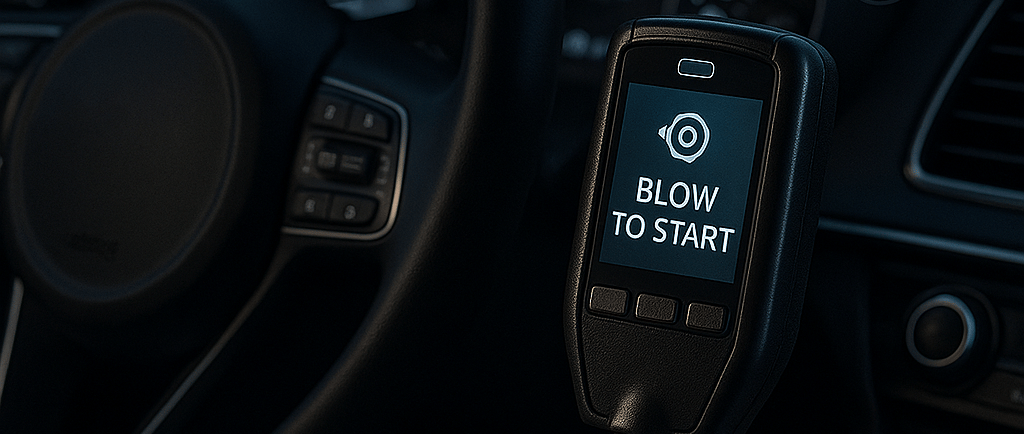
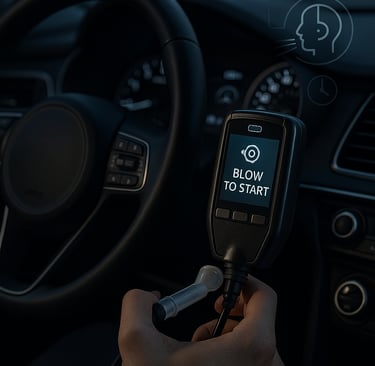
An ignition interlock device (IID) is a compact breath-alcohol analyzer wired directly into a vehicle’s ignition system. Its purpose is simple: the vehicle will not start unless the driver provides a clean breath sample. The device measures breath alcohol concentration (BrAC) using fuel-cell sensor technology—the same style of sensor used in many law-enforcement breath analyzers.
IID BASICS & HOW IT WORKS
Interlock Near Me
11/24/20252 min read
How the IID Works When Starting the Vehicle
When a driver attempts to start the car, the IID immediately prompts for a breath test.
If the BrAC reading is below the state-mandated limit (often 0.02 or lower), the system enables the ignition.
If the reading is above the limit, the IID blocks the vehicle from starting and initiates a short lockout period.
This ensures that no one can legally or physically drive the vehicle while impaired.
Rolling Retests While Driving
Most state programs require rolling retests after the vehicle starts.
At random intervals, the IID will beep and request another breath sample. The driver has several minutes to safely pull over or provide the sample.
Rolling retests are designed to:
Ensure continued sobriety during the drive
Prevent someone else from starting the car for the driver
Log any attempts to drink after startup
All results—passes, fails, missed tests—are recorded.
Common Names for Interlock Devices
You’ll hear IIDs called many different things, including:
Ignition Interlock Device (IID)
Breath Alcohol Ignition Interlock Device (BAIID)
“Car Breathalyzer”
“DUI Interlock”
All refer to the same system: a breath-test device integrated into a vehicle’s ignition.
Core Goals of an Ignition Interlock Device
Ignition interlocks have two main purposes:
1. Prevent Intoxicated Driving
The IID physically stops the vehicle from starting if alcohol is detected above the program limit.
This prevents impaired driving at the source.
2. Create a Detailed Compliance Record
IIDs automatically log every event, including:
Pass/fail test results
Missed tests
Rolling retest failures
Tamper attempts
Power disconnections
Lockouts
These logs are sent to monitoring authorities—probation, DMV, or court—so they can verify compliance throughout the driver’s mandated program.
Frequently asked questions
What is an ignition interlock device (IID)?
An ignition interlock device is a breath-alcohol analyzer wired into a vehicle’s ignition system. It requires a clean breath sample before the engine can start.
How does an IID measure alcohol?
IIDs use a fuel-cell sensor, the same technology used in many police breath testers, to detect breath alcohol concentration (BrAC) with high accuracy.
What happens if I fail the initial breath test?
If the device detects alcohol above the state limit, the vehicle will not start. The event is logged, and the IID may impose a temporary lockout before another test can be taken.
What are rolling retests and why are they required?
Rolling retests occur randomly while driving. The device beeps and requires another breath sample to ensure the driver remains sober after starting the vehicle.
Does the IID record my data?
Yes. IIDs log all activity, including passed and failed tests, missed retests, power loss events, tampering attempts, and lockouts. This data is sent to monitoring authorities like the DMV or probation.
Why do courts and DMVs require interlock devices?
IIDs prevent impaired driving by blocking engine starts when alcohol is detected and create a verifiable compliance record. This helps reduce repeat DUI offenses and improves public safety.